/user.svg)
/cart.svg)
How to brake for freestyle scooters
How to brake correctly?
- in the best case, use the brake only for tricks like a manual.
- brake by pressing the sole of your shoe against the ground. Thanks to this, your wheels won't get damaged and the brake won't wear out immediately.
- if you slam on the brake, you can create a flat spot on the wheel, and the wheel is ruined and it doesn't matter if the wheel costs 400 or 1500 CZK.
Distribution
By wheel size: 100mm, 110mm, 120mm, 125mm
Brake materials: plastic, steel, stainless steel, both materials can be used, such a brake is then plastic-steel
Types of brakes: spring brakes, flex brakes
By wheel size
We have brakes for wheels 100mm, 110mm, 120mm, 125mm
100 mm:
- only 100 mm wheels fit into these brakes
- we can have either spring or flex brakes
110 mm:
- only wheels of size 110, 100 mm fit into these brakes
- they are mostly steel or plastic (flex brakes)
120,125 mm:
- brakes are only for 125 and 120 mm wheels. We do not recommend using this brake for 100 mm or 110 mm wheels. The brake can break due to fatigue from braking or you can try to stomp on it.
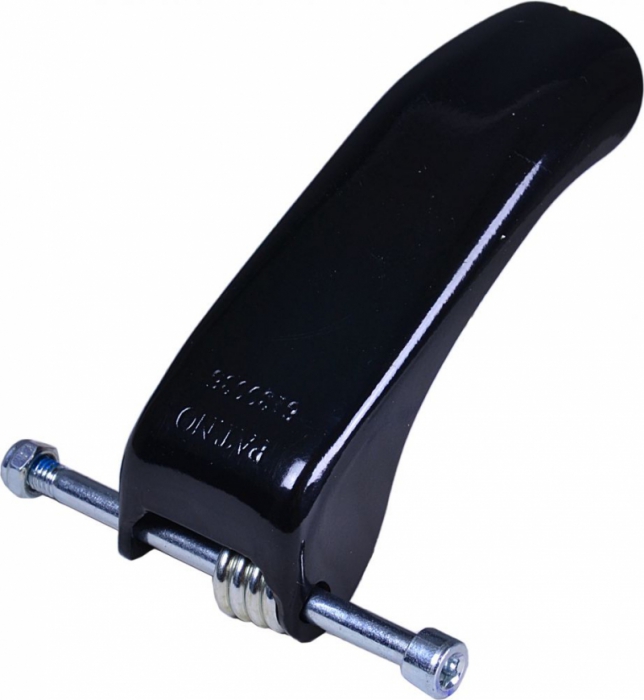
Spring-loaded
- used in cheaper scooters (e.g. Colorful Nokaic).
- thanks to the spring and screw, the brake returns to its position.
- this brake is tightened from the side.
Advantages: low purchase price.
Disadvantages: needs to be tightened and the spring can wear out, leading to unpleasant noise.
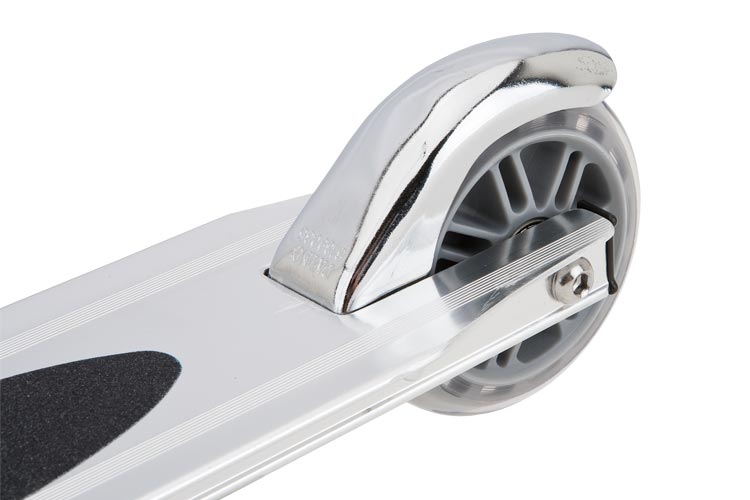
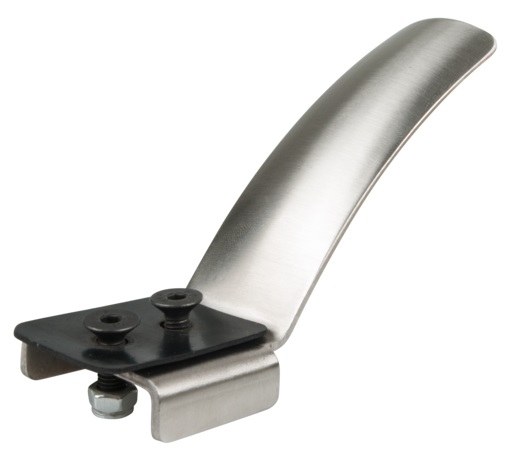
Steel (Stainless)
- bent sheet (material) in the shape of a brake
- when stepping on the brake, the brake returns and bounces
- is this brake tightened from below or from above
Advantages: no noise, easy handling, lighter than spring-based.
Disadvantages: material fatigue in bending, can crack, small children have difficulty pressing the brake because they are light.
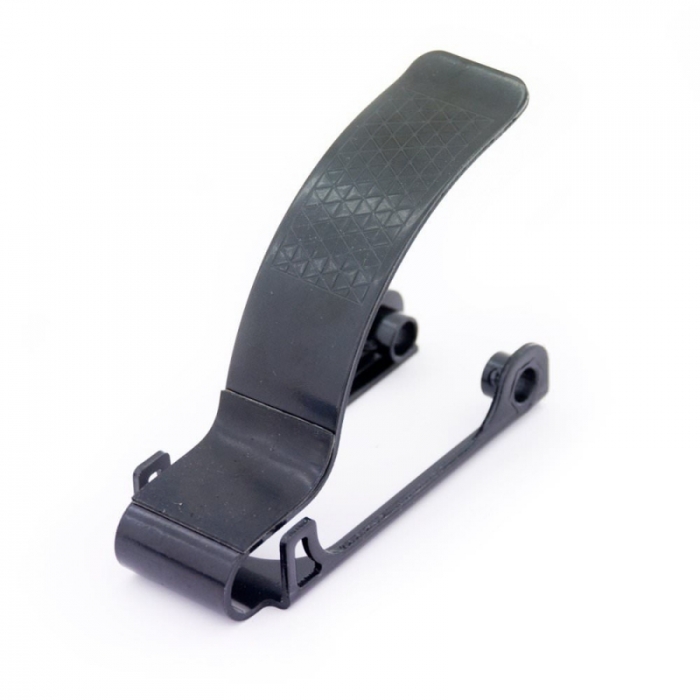
Plastic
They have a steel plate inside that is used for braking
Are they screwed from below or above
Advantages: lightweight, not noisy, very flexible
Disadvantages: wears out faster, may crack
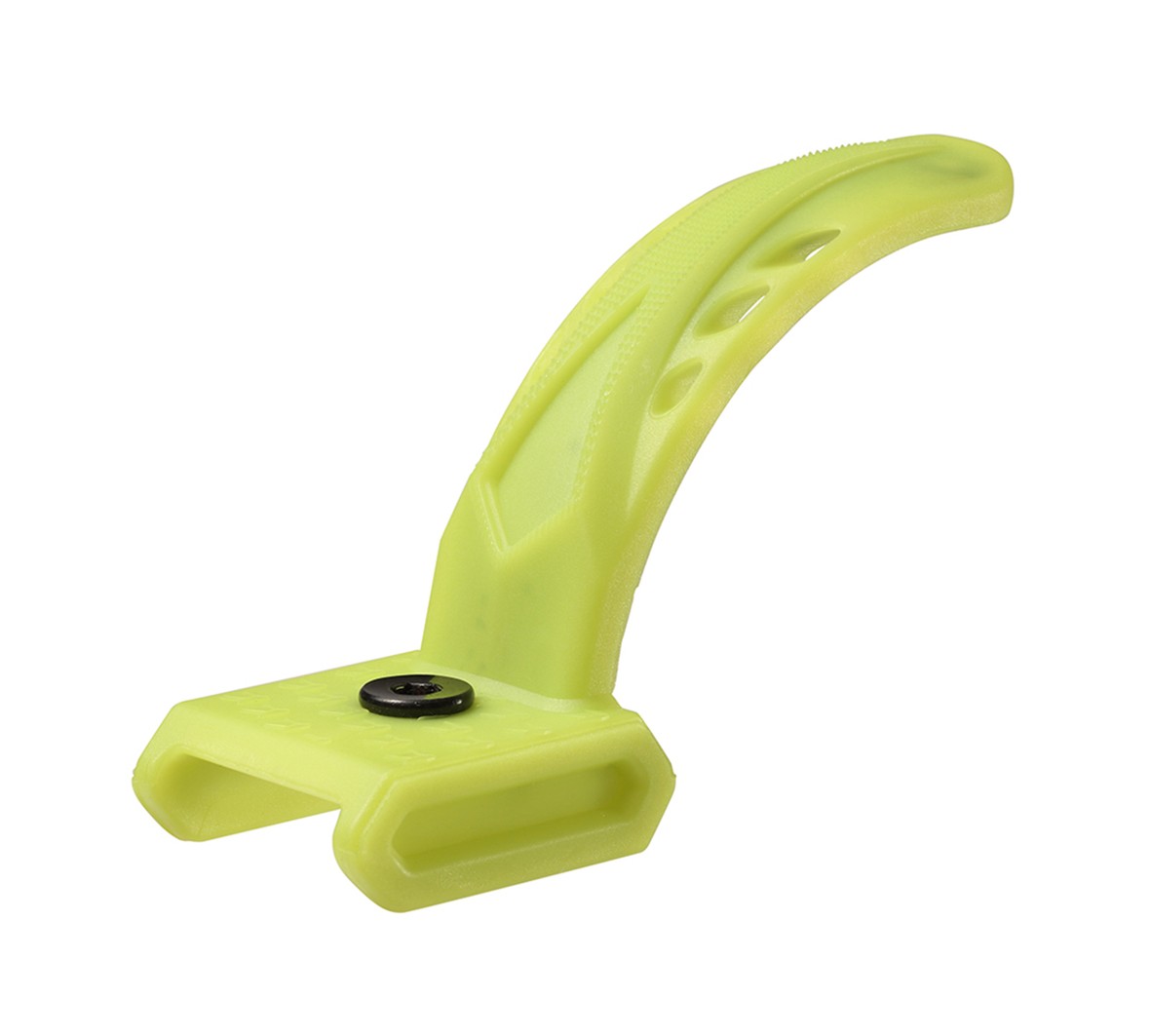
Wheelguard
- a small brake that fits underneath to prevent the wheel from wearing out